7 Factors to Consider When Designing Websites.

Web design is not only creative, but includes much more…


From copywriting and typography to layout and graphics, coming together to create an interface that not only looks good but, one that communicates to its audience and delivers a good user experience. Here are our top thingsto consider when designing a website.


A successful website project is a big task. Everyone wants their project to be successful, but this doesn’t happen magically and needs a strong plan.


1. Consider your goals


First port of call when designing a website is before starting work on your web design is to have a clear understanding of your business goals, or your client’s goals. What are you trying to achieve with the new website or redesign? What is the main reason or purpose of the website? Speak to your client, your manager or ask yourself what they are


What is the function of your website? Are you selling products or services, creating entertainment or delivering information? Ask why you want the redesign: are you looking to grow the number of registrations, decrease the bounce rate or maybe increase user participation like downloads? The function will predetermine your website design and platform. Goals are equally important if you are considering redesign.


2. Identify your audience


Knowing your audience is fundamental in how your website will look, feel and function. There are several demographics to consider that will have some effect in the design of your website, e.g. age, gender and occupation. A gaming website for a younger audience requires a different design than that of an entrepreneur. Usability is extremely important for senior and less technical audiences where small details  like font size and navigation should be considered.


3. Think about your brand image


Many website designers get excited about using the latest trends without considering the image they should be conveying. Glossy buttons, gradients and reflective floors may work for some websites, but they may not be right for your brand.


A few basic things to consider are colour and how you want visitors to feel when they land on the website and what emotions you want to evoke. Your design should bring to life the personality and character of your brand. Your website will have a feel that makes an impression on your visitors. Think about what that impression should be.


4. Make sure you have the right team in place


If your strategy and direction is clear and you have the right team on board for the project, then trust that they will deliver. Communication throughout the website design is important so check in regularly and give feedback, ask questions, but at the same time micromanaging them isn’t necessary if you have the trust. The team will take ownership in pride of the website too and will want it to be a success.


5. Don’t expect a lot for a little


Website budgets are like a seesaw where things like function, technicalities and design need to be carefully balanced along with the work effort to build a successful website. The application of a budget should be common sense, but all too commonly not. Best practice is to base the budget for the website design on the value you expect to create and budget accordingly.


6. Quality takes time


Give your team sufficient time in regards to budget and timeline of your website project so they are able to complete the job the way you want it. Rushing generally means important and small steps are skipped and the website may not be the best it can be. Rushing means things will be overlooked.


Might be of interest – The Website Design History Timeline


7. Measure


Once your website has been designed, created and deployed, it’s time to measure your success. This is very important because until you test how well your design performs, you won’t know how effective it is in fulfilling your goals e.g. if your aim is to increase the registration numbers to your service, keep tally and measure it and see if your changes are making the impact you wanted. If your goal is to increase subscribers to your blog, check your RSS stats. If it is better user participation take note of comments or forum posts, etc.


Might be of interest – Making the perfect landing page


Another way to measure the success of your new website is to ask people for their feedback. They will delight in telling you what they think and it’s a great way to check you are on the right path, however, be mindful of every suggestion made – they may not be practical or relevant. Look out for regular patterns and common issues – deal with those.


Measuring website analytics is a science unto itself and beyond the scope of this article, but the important thing is you have some method of measuring in place keeping you on track of your key objectives.


Successful website projects aren’t an accident and are a result of a strong process, clear direction, a great team and much grafting and hard work.


Contact our team!


To find out more about how we could help you, get in touch today. Browse our website for more information on our digital services, including  web design.

By Hayleigh Reynolds
A poster that says distro mobiles on it
By The New Fat Studio April 24, 2025
Is it time to hire a full-time designer? Why outsourcing might be the better option.
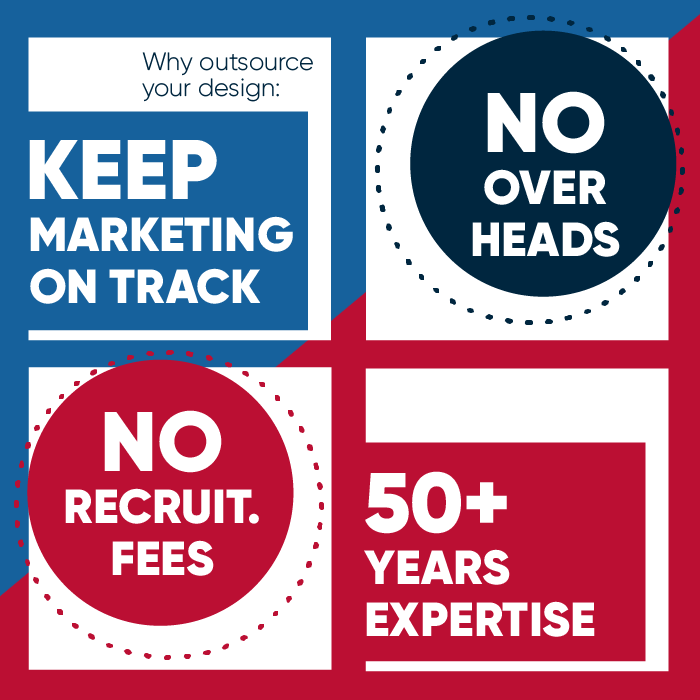
 By Suze Moore, Creative Director – The New Fat Many businesses reach a point where the volume of marketing projects justifies considering the hire of a full-time designer. But is that truly the best move? In this article I explore the advantages of outsourcing to a design agency instead. Why outsource your marketing and design? Drawing on over 22 years of experience running a business, I believe it's the people who make everything work—and finding the right people is never easy. This is particularly true when a business needs to bring in individuals or teams with expertise that falls outside its own core competencies. For business leaders looking to hire a designer or marketer, the challenges are many: How does one assess the required skills and experience? How can their capabilities be tested? Should you go for a good all-rounder or a specialist? Is it realistic to expect that one person will meet all these needs within your budget? Should the candidate be proficient in both print and digital? These are all important considerations, and without a background in marketing or design, it can be difficult to make confident, effective decisions. Outsourcing to a design team like TNF (The New Fat) offers a valuable solution. It provides businesses with expert advice, deep experience, and high-level service—enabling internal teams to stay focused on core responsibilities while their marketing strategy progresses smoothly, with minimal effort and stress. 15 Reasons Why Outsourcing to a Design and Marketing Agency Like TNF Is a Smart Business Move. 1) No recruitment fees There are no finder’s fees or salary commissions, and businesses avoid spending time sifting through CVs and conducting interviews. A capable agency will listen to client needs, help clarify objectives, and create an actionable plan. 2) Decades of experience TNF (The New Fat), based in Nottingham, brings more than 50 years of collective industry experience to the table—spanning brand development, sales collateral, packaging, websites, digital graphics, and more. 3) Pay as you go - flexibility Sales and marketing teams often need ad hoc support at specific times. Booking these tasks with a design studio ensures deadlines are met and costs are kept to a minimum—only paying for what’s needed. 4) Fixed fee annual contracts Purchasing a bank of hours for the year can lead to cost savings—typically around 15% off the standard hourly rate. Additional benefits often include waived rush fees, dedicated project management, weekly time reports, and budget planning across 12 months. 5) Fast and efficient delivery Once a team becomes familiar with a brand, turnaround becomes quick and efficient. Experienced designers are adept at asking the right questions, offering new perspectives, solving problems, and producing high-quality creative assets. 6) Consistent weekday availability Outsourcing means no disruptions due to holidays or sick leave. Agencies provide access to multiple professionals who are always available for meetings or project updates. 7) Access to specialists Working with a design agency offers access to a broader network of proven specialists—from product photography to LinkedIn advertising and software development. This ensures every project is matched with the right expertise. 8) Get on with it - being proactive Design agencies are motivated to keep projects moving. They manage schedules, provide updates, and chase deliverables—helping clients action their strategies without unnecessary delays. 9) Lower overheads In addition to avoiding recruitment costs, outsourced teams don’t require salaries, PAYE, NI, pensions, training, holiday pay, or equipment. You don’t need to take us on training courses or away days either (although that would be lovely :-)) 10) Latest tech Agencies cover all software licenses for modern design tools and font management, as well as project management platforms to track time, budgets, and deliverables with precision. 11) Industry knowledge and innovation Agency designers continually develop their skills, stay updated on current trends, and collaborate with colleagues to generate creative, effective solutions. 12) Make things easy Having a consistent team builds long-term trust and efficiency. Agency staff work closely with clients to understand their brands ethos and guidelines, becoming a natural extension of their internal teams. 13) Continuity despite staff changes Agencies train their entire team on client brands, ensuring visual consistency over time. Staff turnover is handled internally, with no disruption to the client. 14) Your artwork files stored securely At TNF, all project files are stored securely in the cloud with daily backups. An organised workflow system ensures easy access to data, and files can be stored on client-specific drives if requested. 15) Keeping marketing on track Ultimately, marketing is about guiding the audience through the sales funnel—sharing valuable product and service information, building brand awareness, and supporting sales teams with the right materials. Whether collaborating with internal departments or leading the strategy themselves, agencies like TNF help businesses stay consistent and effective. TNF (The New Fat) have specific experience in offering outsourced design for engineering, science and manufacturing businesses. Although useful for any market sector, our design agency specialises in giving day to day design support for clients in the engineering, science and manufacturing sector. Working closely with internal marketing teams and sales teams. Get in touch to find out how outsourced design and marketing can help your business.
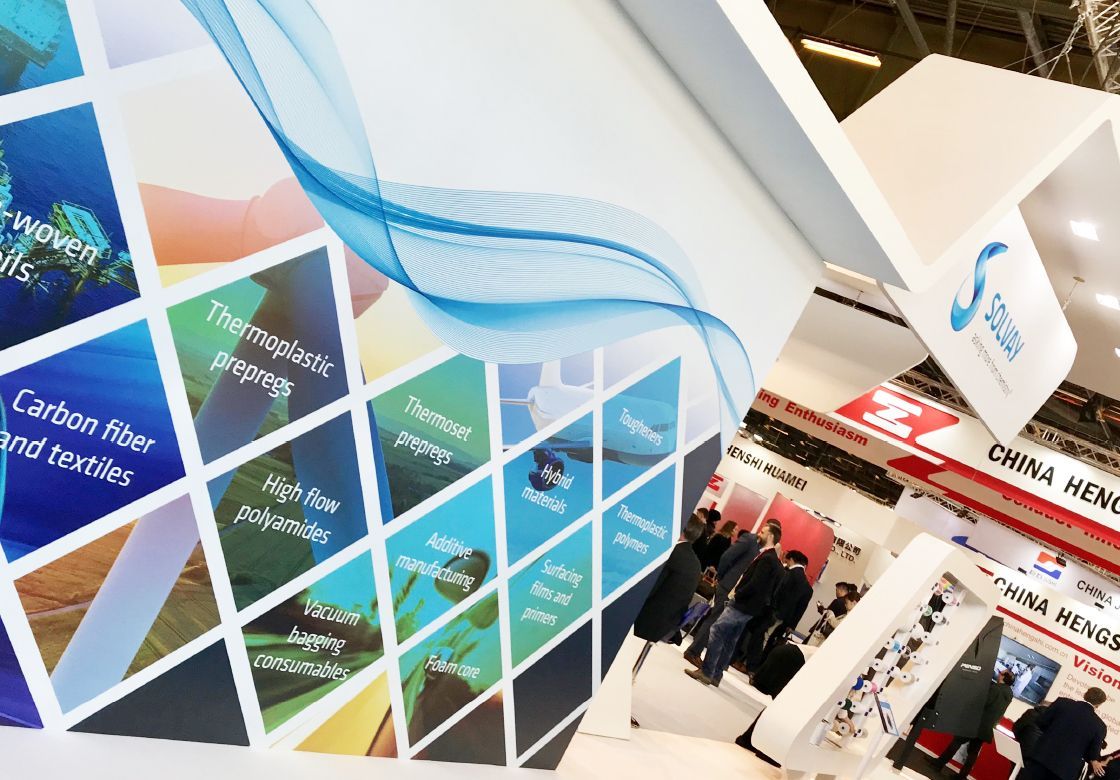
artistic shot of the exhibition stand
By Suze Moore October 29, 2024
Make sure your exhibition booth stands out amongst the crowd with our 6 top tips to help you best plan and implement your exhibition stand.
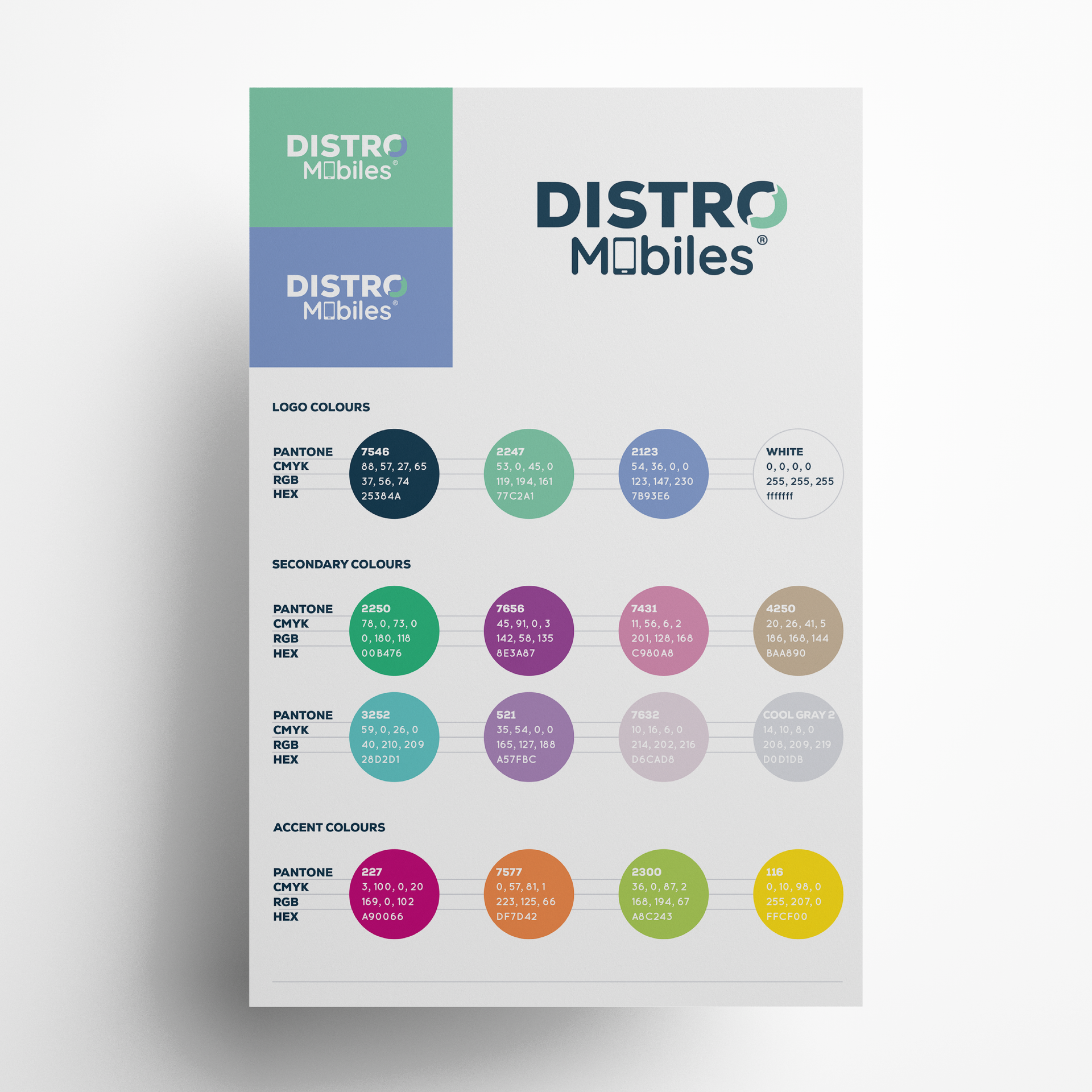
a guideline document that says distro mobiles on it
By Suze Moore August 30, 2023
What is brand & visual identity? Here we share key points to help you understand how to create a brand identity worth remembering.
More Posts